We build digital systems that feel inevitable.
A fintech startup needed to rebuild trust. Their existing site felt like a patchwork of tools—slow, inconsistent, and alienating to the very users it served. We architected a unified design system where every interaction spoke the same visual language.
The result wasn't just a faster site. It was a coherent product experience that reduced support tickets by 40% in the first quarter. The client's internal team could now ship updates without breaking the interface.
Explore the workProject in the planning phase?
We dedicate one initial consultation call to mapping your constraints—budget, timeline, and technical legacy—before discussing any scope.
Book the Initial AuditThe Prague Methodology: Architecture for Digital Space
Discovery & Cultural Context
Every project begins with a layering exercise. We overlay the client's brand narrative onto Prague's architectural timeline—from Gothic rib vaults to Cubist façades. This isn't aesthetic mimicry; it's structural translation. We find parallels between historical weight distribution and modern information hierarchy, ensuring the digital structure feels authentically grounded.
Wireframing with Intent
Our wireframes are annotated with user intent notes—not just layout boxes. A navigation element includes a 'why' note: "Primary goal: reduce cognitive load for first-time visitors." This practice anchors every design decision in strategy before aesthetics are applied.
The Golden Ratio Grid
We employ a modified 1.618 ratio system—a nod to classical European design principles. This isn't a rigid cage, but a harmonic foundation. It dictates column widths, content modules, and typography scales. The result is a layout that feels inherently balanced, a subtle psychological comfort for users scanning dense information.
Client Collaboration Sprints
Two-week cycles replace months of feedback limbo. Clients interact with live prototypes in a structured review session. We ask one question: "Does this solve the problem you described?" This agile iteration builds shared ownership and prevents late-stage scope creep, a common pitfall in traditional agency models.

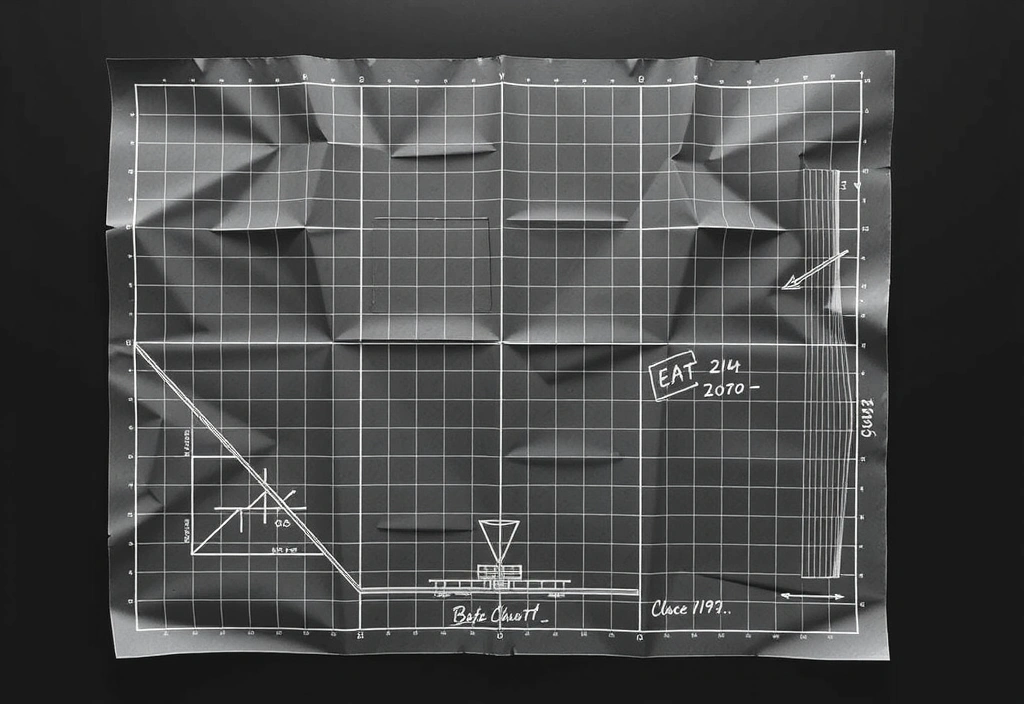
Visual Reference: Structural Integrity
The 1.618 ratio grid requires manual adjustment for complex content types. We sacrifice initial template speed for long-term harmony, a trade-off we accept for premium brand projects.
Visual Reference: Intent-Driven Wireframing
The Decision Lens: Criteria for Every Choice
Our principles are not abstract values. They are decision criteria. Every element, from a typeface selection to a caching strategy, is evaluated against this lens. It's how we ensure consistency across diverse projects and teams.
Clarity Over Decoration
If it doesn't guide or inform, it's removed. We measure this by tracking user gaze movement in early prototypes.
Performance as a Feature
Target LCP under 1.5s. We choose static builds or lean server-rendering over heavy client-side frameworks where possible.
Accessibility by Default
WCAG 2.1 AA is the floor, not the ceiling. Keyboard navigation is tested first, not last.
Typography as Voice
Two typefaces max. Hierarchy built through weight and scale, not novelty. Consistency breeds recognition.
Content-First Architecture
We structure information before designing interfaces. The sitemap is our blueprint.
Ethical Analytics
We track only what informs improvement. User privacy is a design constraint, not a legal afterthought.
Common Pitfalls & Our Constraint-Based Mitigations
The "Scope Creep" Trap
Scenario: A mid-sized manufacturing firm insists on adding a dynamic blog mid-project, citing "future needs."
Constraint: Fixed budget (€15k), aggressive 6-week timeline for the core site launch.
Mitigation: We propose a phased approach. Launch the core technical site first. The blog becomes Phase 2, priced separately. This preserves the initial deadline and budget, giving the client a functional asset faster.
Legacy Code Integration
Scenario: An e-commerce brand needs a new site but must keep a legacy ERP system for inventory.
Constraint: The ERP only exposes a SOAP API. The client's IT team has limited bandwidth for custom middleware.
Mitigation: We build a lightweight Laravel middleware as a translation layer. It’s not the most elegant solution, but it’s the most reliable given the resource constraints. We document every step for their future internal reference.
The "Mobile Afterthought" Fallacy
Scenario: A client's analytics show 60% mobile traffic, but the desktop design is finalized and "too beautiful to change."
Constraint: The brand guidelines are rigid. Complex desktop interactions don't translate to touch.
Mitigation: We present data-informed alternatives: a mobile-first simplification that preserves brand voice. We show how a focused mobile call-to-action can increase conversions more than a faithful desktop port ever could.
Client Content Scarcity
Scenario: A startup founder provides vague placeholder copy ("We help businesses grow") and no images.
Constraint: The launch date is fixed. The client is focused on product development, not copywriting.
Mitigation: We conduct a focused 30-minute interview to extract core messages and record authentic quotes. We then draft copy based on their answers for their review and edit. This collaborative process builds shared ownership of the content.
The Tools & The Trade-offs
Our tool selection is a series of strategic compromises. We don't chase the newest framework; we choose the most appropriate technology for the specific problem.
Laravel vs. Headless CMS
We favor Laravel for complex, custom logic. For content-driven sites, Statamic offers superior client editing without WordPress's bloat.
Trade-off
Custom Dev Time vs. Client Autonomy
Performance Stack
PHP with Vite for builds, Redis for caching. We avoid heavy React hydration for static pages, prioritizing server-rendered speed.
Trade-off
Interactivity vs. Raw Load Speed
The "Static" Advantage
For many projects, we recommend a fully static build via PHP generators. Maximum security (no database), blazing speed, and zero hosting overhead. The trade-off? Dynamic user accounts or e-commerce require a headless backend, which we architect separately.
Accessibility Testing Protocol
We use `axe-core` for automated checks, but automation is insufficient. Every project includes manual keyboard navigation testing and a screen reader audit. We document findings in the handoff guide.
The Studio, In Situ

The War Room
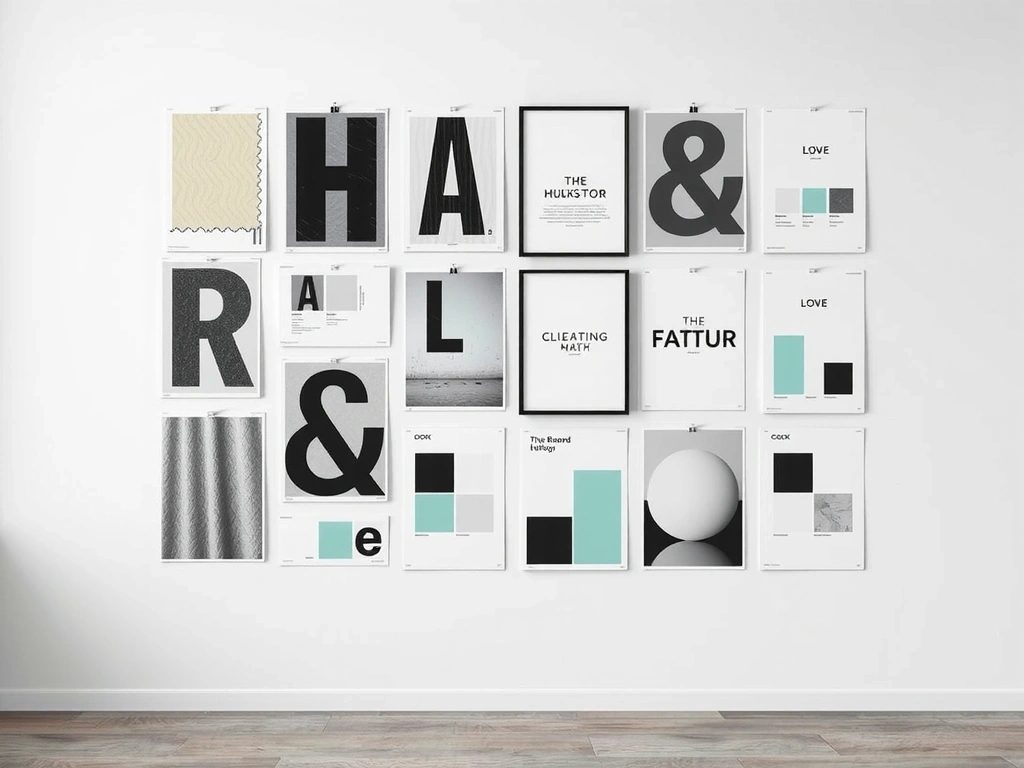
A dedicated space for client workshops, featuring a large analog whiteboard for sketching and a wall of physical mood boards. We believe some ideas are still best drawn on paper first.
The 3 PM Ritual
An espresso break where the team shares one interesting digital find from the day. It’s a forced pause for continuous learning, keeping our awareness sharp beyond client work.
The View
Our studio overlooks a quiet courtyard in Prague's Vinohrady district. A deliberate choice to provide a calm, focused environment away from the city's bustle, mirroring the clarity we build into our digital products.
The Key Takeaway: Precision is a Service
Our methodology is intentionally rigid. This structure isn't about creativity suppression; it's about creating a reliable container for it. By anchoring every decision in clear constraints—budget, timeline, technical reality—we ensure the final product isn't just visually polished, but structurally sound and operationally sustainable. This is how we bridge the gap between ambitious vision and executable reality.
Next Step
Initiate an AuditSee the Results
View Case Studies